


Tavares buyers and sellers are navigating a market where the right price, the right preparation, and the right timing all matter. Inventory can create more choices for buyers while also making presentation and local comparisons more important for sellers. Understanding how those forces work together can help you make a move with fewer surprises.
Reading the Tavares Market Beyond the Headline
Market updates often lead with one attention-grabbing number: inventory is up, prices are holding, or homes are taking longer to sell. Those headlines can be useful, but they do not tell the whole story of a move in Tavares. A lakefront property, a historic home near the city center, a newer construction home, and a parcel of land may each attract different levels of interest and face different competition. The most helpful question is not simply whether the market favors buyers or sellers; it is how the current selection and pricing conditions affect the specific home you want to buy or sell.
When available listings increase, buyers usually gain something valuable: the ability to compare. Instead of feeling pressure to decide after one quick showing, buyers may have more opportunities to weigh condition, lot size, water access, age of major systems, monthly carrying costs, and location within Lake County. More choice does not automatically mean every property is negotiable, though. Homes that are carefully maintained, clearly priced, and positioned in a sought-after setting can still receive strong attention.
For sellers, a fuller inventory picture raises the importance of preparation. Buyers can see competing homes online within minutes, so a property needs to make its value easy to understand. That may mean addressing obvious repairs, improving lighting, reducing visual clutter, and making sure photographs show the layout accurately. It also means comparing the home to current alternatives, not only to a nearby sale from several months ago. Closed sales explain what buyers paid in the past; active listings reveal what buyers are choosing between today.
In a market with more choices, the first two weeks of exposure often provide the clearest feedback on price, condition, and presentation. A thoughtful launch is usually more effective than starting high and making repeated reductions.
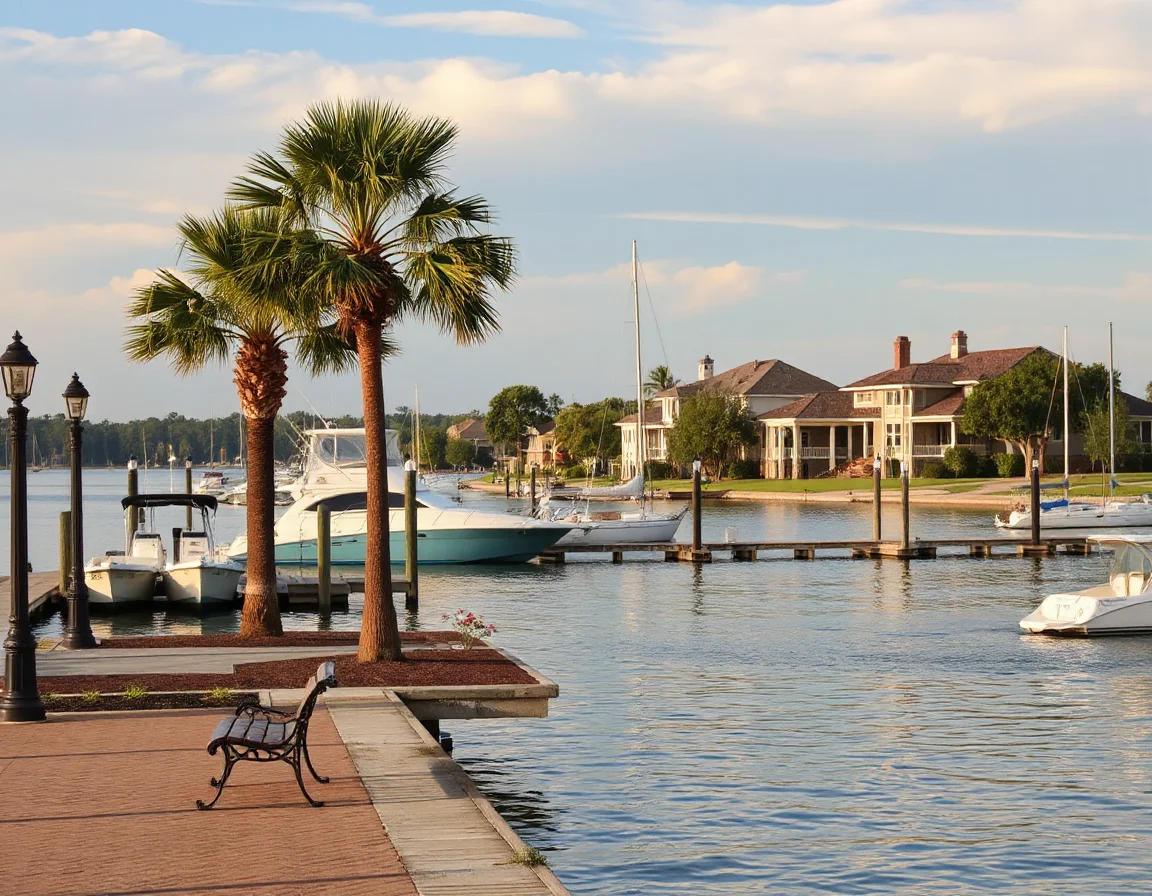
Tavares offers a mix of property types that can make broad market averages especially misleading. Waterfront and canal-front homes may be evaluated through details such as dock condition, shoreline features, views, navigation access, insurance considerations, and maintenance history. Historic properties can draw interest for architectural character while requiring careful attention to updates and preservation needs. New construction may appeal through modern systems and warranties, while land purchases bring zoning, utilities, access, and site-preparation questions into the decision. Comparing like with like is essential.
What Inventory Can Mean for Buyers
For buyers, additional inventory can create breathing room—but it should not replace a plan. Start by separating must-haves from preferences. A home’s setting, number of bedrooms, work-from-home space, garage capacity, outdoor area, access to water, and renovation tolerance can all affect which listings deserve a closer look. Once those priorities are clear, a buyer can focus on the properties that actually fit rather than getting pulled in every direction by new listings.
It is also wise to look at the full cost of ownership before writing an offer. The purchase price is only one part of the monthly and long-term picture. Property taxes, homeowner association fees where applicable, insurance, utilities, maintenance, and potential improvement projects should all be considered. For waterfront homes, buyers may also want to review dock permits, seawall or shoreline conditions, flood-zone information, and the practical details of maintaining the property over time.
A measured market can give buyers time to conduct thorough inspections and review documents, but desirable homes may still move quickly. Being prepared with financing details, a realistic budget, and a clear offer strategy allows a buyer to respond when a suitable property appears. The goal is not to rush; it is to avoid losing time on decisions that can be made before the right home comes to market.
Buyers comparing Tavares with nearby communities should also consider daily-life factors in practical terms. Access to Lake Dora, local parks, boating opportunities, public services, travel routes, and the character of nearby commercial corridors can shape how a home works for you. Touring at different times of day can help reveal traffic patterns, sunlight, noise levels, and the rhythm of the immediate area. These are personal fit considerations, not market statistics, but they can be just as important as the list price.
What Pricing Trends Can Mean for Sellers
For sellers, pricing is a positioning decision rather than a guess at the highest possible number. A strong list price should reflect recent comparable sales, current competition, the property’s condition, and the features buyers can see and verify. If one home has updated mechanical systems, a renovated kitchen, a larger usable lot, or a stronger water view, those distinctions should be acknowledged instead of assuming every nearby property will command the same response.
Presentation supports pricing. Before listing, consider the experience a buyer has from the curb through the final room. Fresh landscaping, a clean entry, repaired screens, neutralized odors, organized storage areas, and well-lit rooms can make the home feel more cared for. Professional marketing should also communicate the details that may not be obvious in a quick photo: water access, acreage, construction upgrades, historic features, flexible spaces, and improvements completed by the current owner.
Pricing trends matter most when they are paired with a clear adjustment plan. If showing activity is limited, if visitors mention the same concern, or if comparable new listings offer more for a similar price, it may be time to revisit the strategy. That does not always mean a price change is the only answer. Improvements to photos, description, showing availability, or repair documentation can also make a meaningful difference. The key is responding to actual market feedback instead of waiting for a result to change on its own.
A property does not compete only with homes that sold last season. It competes with the active options a buyer can tour this week, especially those with a similar location, condition, and price range.
There is no universal “best” month to move in Tavares. Seasonal activity, interest-rate changes, employment transitions, school calendars, and the availability of a replacement home can all influence timing. A seller who needs to buy next may prioritize flexibility and a coordinated plan. A buyer with a lease ending may value certainty over waiting for a small price shift. Defining your timeline early makes it easier to evaluate opportunities without letting market noise dictate every decision.
Turning Local Information Into a Confident Next Step
The most useful market guidance is specific, current, and tied to your goals. Whether you are considering a lakeside home, a historic property, new construction, or land, begin with a detailed review of comparable properties and the choices currently available. From there, you can decide whether to act now, prepare for a future launch, or continue monitoring the market with a clearer set of criteria.
Tavares offers distinctive real estate options, and every move deserves a strategy that accounts for the property as well as the broader market. By looking past the headlines and focusing on price, condition, competition, and timing, buyers and sellers can make decisions that feel informed, practical, and aligned with what matters most to them.