

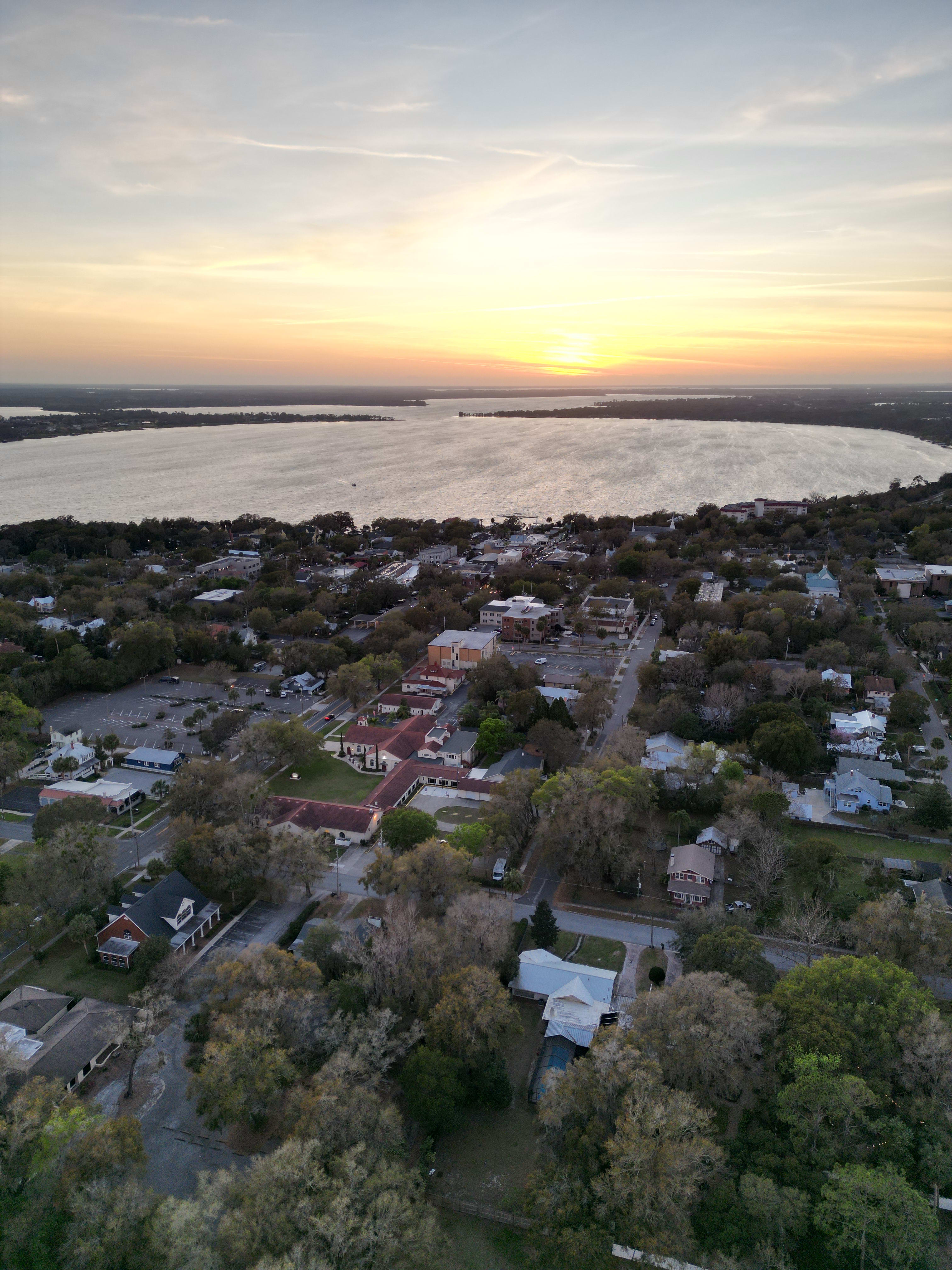
Mount Dora home prices and available inventory can shift quickly by property type, condition, and proximity to the area’s lakes and village center. A confident search begins with clear priorities, current listing data, and a plan that separates a home’s asking price from its likely long-term ownership costs. Whether you are comparing historic residences, newer construction, or waterfront opportunities, the right preparation makes each decision easier to evaluate.
Start With the Story Behind the Asking Price
Mount Dora has a housing market with more variety than a single “average price” can explain. One listing may be a carefully maintained historic home near the village center, while another may be a newer residence in a planned community, a lakefront property, or a home on a larger parcel of land. These homes can serve very different needs, and their values are shaped by different details. Looking beyond the headline price helps buyers compare options with more clarity.

Condition is often the first major value divider. A home with an updated roof, electrical system, plumbing, windows, and HVAC may be priced differently from a similar-sized home that needs near-term improvements. In older properties, buyers should also consider the character features they value alongside the practical costs of maintaining them. Original woodwork, established landscaping, and architectural details can add appeal, but inspections and repair estimates remain essential parts of a well-informed offer.
Location within the Mount Dora area is equally important. A property’s setting may influence its access to public lakefront areas, road connections, dining and cultural destinations, or outdoor recreation. Waterfront, canal-front, and water-view homes also require a closer look at dock conditions, shoreline features, insurance considerations, flood-zone information, and local regulations. These details can affect both the purchase decision and the ongoing budget.
When comparing homes, create a side-by-side worksheet for condition, lot characteristics, improvements, insurance estimates, taxes, and likely maintenance. The lowest asking price is not always the lowest-cost option over the first several years of ownership.
Recent comparable sales are useful because they show what buyers have actually paid for similar properties, not simply what sellers hope to receive. The most helpful comparisons are close in location, size, condition, age, and property type. A lakefront home should not be measured only against an interior-lot home, and a restored historic residence should not be evaluated as though it were interchangeable with newer construction. A local market review puts those differences into context.
Read Inventory as a Planning Tool
Inventory is simply the number of homes actively available at a given time, but it has a direct effect on how buyers plan. When choices are limited in a particular price range or property category, buyers may need to move quickly once a suitable listing appears. When there are more comparable options, there can be more time to evaluate condition, terms, and neighborhood-level location factors. Neither environment removes the need for careful due diligence.

Rather than waiting for a monthly market headline, watch the listings that match your actual criteria. Track the number of active homes, days on market, price changes, pending sales, and new listings in the areas and home styles you are considering. This creates a more useful picture than broad countywide numbers, particularly when your search includes a focused category such as a historic home, a newer build, land, or a property with direct water access.
It also helps to identify which preferences are essential and which are flexible. For example, a buyer may prioritize single-level living, a certain lot size, an updated kitchen, a garage, or a particular commute route. Putting those priorities in order before touring homes can prevent a rushed decision when inventory changes. A clear list makes it easier to recognize genuine value when it appears.
New construction can add another layer to an inventory search. Some buyers appreciate the opportunity to select finishes or benefit from newer systems, while others prefer established landscaping and the distinctive details of older homes. Comparing builder timelines, lot premiums, homeowners’ association documents where applicable, warranty coverage, and expected completion dates can help turn a new-construction option into an apples-to-apples comparison with resale homes.
Build a Budget That Reaches Beyond the Purchase Price
A thoughtful Mount Dora home budget includes more than the down payment and mortgage payment. Property taxes, homeowner’s insurance, utilities, maintenance, potential association fees, inspection costs, and closing expenses all deserve a place in the conversation. For homes near water, buyers may also want insurance guidance tailored to the property’s location and construction, along with an understanding of any dock, seawall, or shoreline maintenance responsibilities.
Before writing an offer, review seller disclosures and ask focused questions about the age and condition of major systems. A professional inspection can identify visible concerns and provide a valuable roadmap for future planning. Depending on the property, specialized inspections for roof condition, wind mitigation, pests, septic systems, wells, pools, or docks may also be appropriate. The goal is not to expect a flawless home; it is to understand the home you are buying and the costs that may follow.
Financing preparation is another practical advantage. A current preapproval, proof of funds when relevant, and a realistic estimate of closing costs can help buyers make decisions without unnecessary delay. Offer terms matter too. Price is only one component; timing, inspection provisions, financing details, and the requested closing date can all influence how an offer is received.
Use Local Knowledge Without Losing Sight of Your Goals
Mount Dora’s appeal is tied to its lake setting, established residential streets, arts and event calendar, independent dining, and access to Central Florida destinations. Those qualities can make certain homes especially competitive, but a successful purchase still comes back to fit: the property’s condition, layout, location, carrying costs, and potential for future enjoyment. Visiting at different times of day, checking travel routes, and spending time near the places you expect to use can add helpful context.
For sellers, the same local detail matters. Pricing should reflect recent comparable sales, the home’s improvements, property condition, and the competing inventory available when it launches. High-quality preparation and accurate presentation help prospective buyers understand the home’s strongest features, whether that is a front porch, a renovated interior, a generous lot, a water connection, or proximity to Mount Dora’s public amenities.
Confidence comes from preparation, not prediction. Markets change, but a disciplined process remains useful in every season: define priorities, review current data, inspect carefully, budget fully, and compare each opportunity on its own merits. With a clear strategy, Mount Dora’s range of historic, waterfront, new-construction, and land opportunities becomes much easier to navigate.